The University of Minnesota (UMN), a Pope Tech customer, has reached an impressive milestone: a 90% reduction in accessibility errors.
Their Office of Accessibility Director, Khaled Musa, shared:
“The University of Minnesota has achieved a significant milestone in digital accessibility, reaching a 90% reduction in web accessibility errors over the past year. This ambitious target was met through the dedicated efforts of university staff who utilized Pope Tech to identify and address digital barriers across our platforms.”
Like many universities and large institutions, they faced challenges like managing an overwhelming amount of content and scaling accessibility across numerous departments and teams.
What makes their story especially compelling, though, is not just the result. It’s the replicable approach they used to get there.
An All-Too-Familiar Problem
If you had to make one web page accessible, it probably wouldn’t feel that difficult. You might even be able to do it in a day.
The real challenge is scale. Large institutions often manage hundreds of thousands of web pages, documents, and course materials. On top of that, there are hundreds of content creators, editors, instructors, and staff who all need to understand how to create accessible content. (Just reading that probably starts stress sweats.)
That’s where many accessibility efforts stall. The work feels too large, too decentralized, and too difficult to prioritize.
UMN faced those same challenges. Their success didn’t come from trying to fix everything at once. It came from building a system that made accessibility manageable at scale using clear processes, shared ownership, and tools like Pope Tech to identify, prioritize, and track accessibility issues across the institution.
The Shift: Moving From Reactive to Proactive
UMN attributes much of its success to shifting from a reactive approach to a proactive system. Instead of addressing issues one at a time, they focused on creating processes, ownership, and prioritization strategies that made long-term accessibility improvements sustainable.
That shift centered around three key efforts: making the work manageable, creating shared ownership across the institution, and implementing their 3Rs framework: Remove, Revise, and Right First Time.
Finding the Content and Making the Work Manageable
One of the biggest challenges was simply the scale of the University’s digital ecosystem. Thousands of websites, pages, documents, and course shells created an overwhelming amount of accessibility work.
Trying to tackle everything at once would have buried any team.
Instead, UMN focused on making the work manageable. They developed tracking systems that broke accessibility issues into smaller, actionable remediation lists for individual departments and units. Rather than presenting teams with an impossible mountain of errors, they provided clear priorities and achievable next steps.
This approach transformed accessibility from an abstract institutional problem into practical day-to-day work that teams could realistically address.
Incremental progress also mattered. Small wins built momentum, helped teams feel ownership over improvements, and made the overall effort feel achievable over time.
As the University described it:
“By breaking the mountain of errors into small, actionable lists, the University turned an overwhelming challenge into achievable milestones.”
Creating Shared Ownership Across the Institution
A key part of UMN’s strategy was recognizing that accessibility could not live within a single office or depend entirely on a central team.
The Office for Digital Accessibility (ODA) acted as a strategic enabler rather than a remediation bottleneck. Instead of trying to fix every issue themselves, the ODA focused on providing guidance, infrastructure, reporting, training, and oversight that empowered individual units to improve their own digital content.
To support this model, the University built a distributed network of accessibility Liaisons and Coordinators across departments and units. Accessibility responsibilities became integrated into planning cycles, prioritization discussions, and ongoing content management practices.
This shift helped accessibility become a shared institutional responsibility rather than “someone else’s job.”
For organizations facing similar challenges, this is an important takeaway: scalable accessibility depends on enabling the people who already manage content to become part of the solution.
The 3Rs Framework: Remove, Revise, and Right First Time
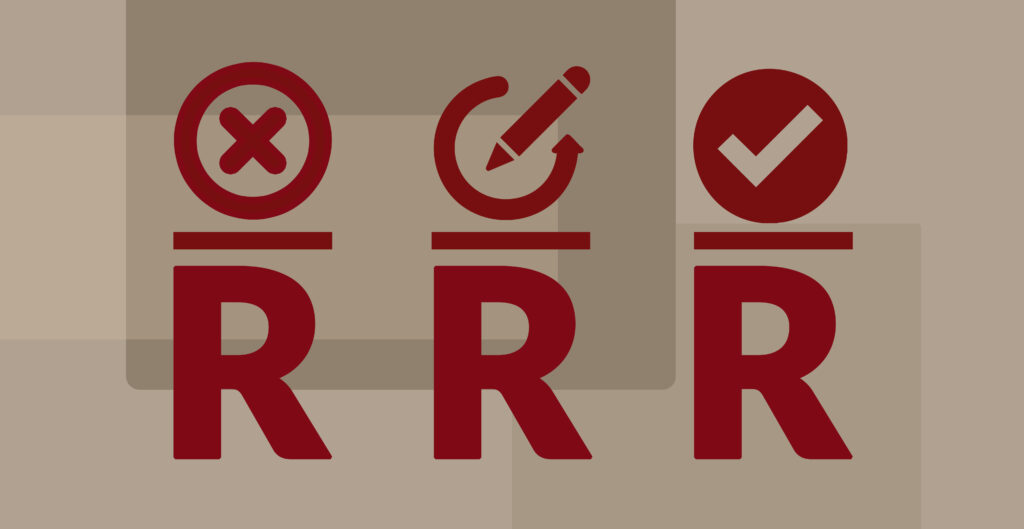
At the center of UMN’s accessibility strategy was a framework they called the 3Rs:
- Remove
- Revise
- Right First Time
The first step, Remove, focused on eliminating outdated, duplicated, or unnecessary content. This significantly reduced the amount of material that required remediation in the first place. In many cases, the most effective accessibility fix was simply removing content that no longer served users.
The second step, Revise, focused remediation efforts on the content that still provided value and needed to remain available. Because teams had already reduced the volume of unnecessary content, prioritization became far more manageable.
The final step, Right First Time, emphasized building accessibility into content creation processes moving forward. Instead of continuously fixing preventable issues, staff were encouraged and trained to create accessible content from the beginning.
Together, the 3Rs helped shift accessibility from an endless cleanup effort into a proactive system.
Perhaps most importantly, the framework helped the University stop treating all content equally. By prioritizing what mattered most and reducing unnecessary workload, accessibility efforts became far more scalable and sustainable over time.
What Other Institutions Can Take From This
The University of Minnesota’s approach offers an important reminder for institutions that feel overwhelmed by accessibility work: meaningful progress does not require fixing everything at once.
Instead, their success came from building systems and processes that made accessibility manageable and sustainable over time.
For institutions looking to make similar progress, there are several practical lessons worth applying:
- Start with an inventory or audit to understand the scope of your digital content.
- Remove outdated, duplicated, or unnecessary content before trying to remediate everything.
- Break large accessibility efforts into manageable batches and achievable milestones.
- Distribute responsibility across departments rather than expecting a central team to handle all remediation work.
- Make accessibility part of regular planning and content workflows so it becomes operational instead of reactive.
- Focus on helping people create accessible content from the start to reduce future remediation work.
Most importantly, accessibility progress becomes far more achievable when institutions stop viewing it as a one-time cleanup project and start treating it as an ongoing operational practice.
The University of Minnesota’s success didn’t come from fixing everything overnight. It came from building a process that made continuous accessibility improvement possible.
Ready for your own success story? Pope Tech has Website and Canvas accessibility solutions, plus a team of experts ready to help.
Website Solutions Canvas Solutions